
Tinnitus
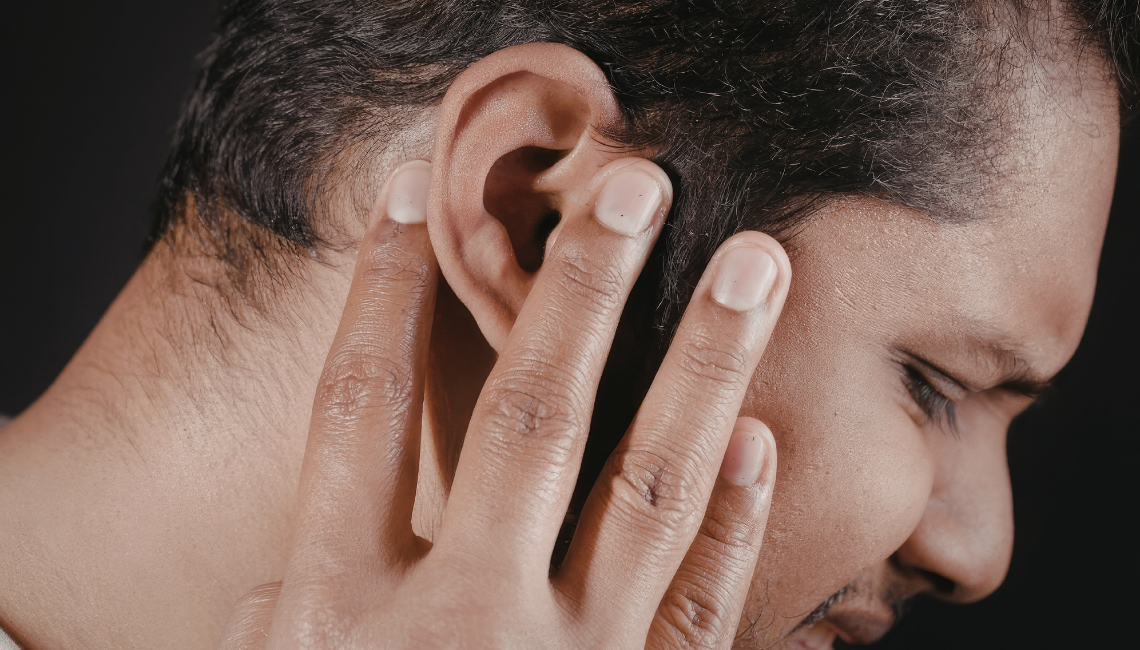
Tinnitus is the perception of sound when no external noise is present — often described as ringing, buzzing, or clicking. Many people experience it occasionally, but for around 15–20% of people, tinnitus can be ongoing. When persistent, tinnitus can affect concentration, sleep, and overall wellbeing.
Confirmation Content

Causes of Tinnitus
Tinnitus does not always mean hearing loss, but it can be an early sign of changes in your hearing. It is most commonly linked to exposure to loud noise or age-related hearing changes. Other causes may include ear infections, head or neck injuries, stress, high blood pressure, certain medications, or earwax build-up. Tinnitus occurs when the brain responds to changes in the hearing system, sometimes amplifying signals and creating the perception of sound.
Treating Symptoms
If you experience ongoing tinnitus, it’s a good idea to speak with your GP. In some cases, the cause can be treated medically. If not, an audiologist or hearing therapist can help you understand what’s happening and develop ways to manage it. While tinnitus often cannot be cured, it can be effectively managed with the right support.
Managing Tinnitus
There are a range of strategies that can help reduce the impact of tinnitus in daily life.
Relaxation and stress management
Stress can make tinnitus more noticeable. Techniques such as mindfulness, meditation, or calming background sounds can help.
Sound therapy and masking
Background sounds such as white noise, rainfall, or soft music can help reduce the prominence of tinnitus — particularly at night.
Professional support
Audiologists and hearing therapists can provide tailored advice, counselling, and structured approaches such as sound therapy or habituation techniques.
Everyday adjustments
Some people find that caffeine, alcohol, or certain foods can affect their tinnitus. Identifying personal triggers can help manage symptoms.
Confirmation Content
Support is Available
Tinnitus can feel overwhelming, but you don’t have to manage it alone. With the right support and strategies, many people find ways to reduce its impact and regain confidence in daily life.
Tinnibot is a new virtual companion in your pocket, to help you manage tinnitus.
Confirmation Content
Learn More About Hearing Support
Find practical guides and information to support your hearing and wellbeing.

Resources For Employers
Our employer resources provide practical guidance to help organisations build more inclusive and accessible workplaces.

Resources For Individuals & Families
If you or someone in your whānau would like practical guidance on hearing support, communication strategies, view our individual and family resources.

Resources For Schools
Access hearing health resources for schools and preschools, with printable posters, listening safety guides and classroom support tools.
Confirmation Content