Relearning the world of sound - Janet's cochlear implant journey
Janet, a volunteer for the Deaf and Hard of Hearing Foundation, shares her story with our community in the hope of motivating people to act early when it comes to hearing loss.
Living with hearing loss
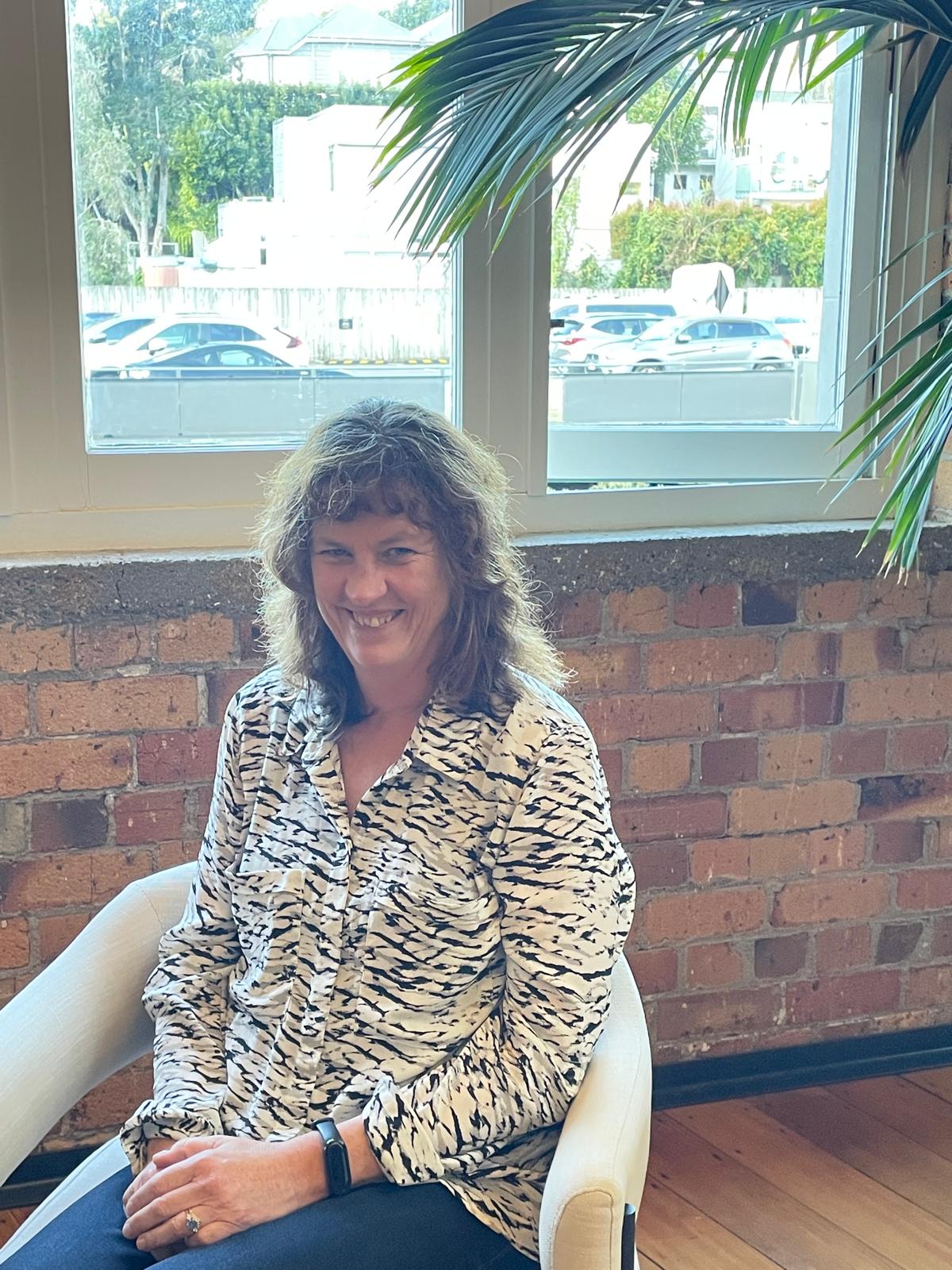 Janet’s hearing loss began in her late forties, first affecting her left ear more severely.
“I felt old before my time. Glasses are widely accepted but hearing aids… not so much.”
She wore hearing aids in both ears for several years, but about two years ago, her left ear’s hearing capability dropped significantly. “That’s when I realised it was affecting the quality of my life,” she recalls.
Her audiologist explained that the loss was due to damage to the cochlea – tiny hair cells that capture and transmit sound signals – which do not regenerate.
The decision to get a cochlear impant
Specialists confirmed Janet was a candidate for a cochlear implant, but the path to surgery wasn’t straightforward. Public funding wasn’t available because her right ear’s hearing hadn’t declined enough, so she turned to private medical insurance. Her medical insurance covered part of the cost, but Janet still had to fund around $20,000 herself.
She attended a Pindrop Foundation workshop where cochlear surgeon and cochlear representative spoke about the procedure and showed the equipment which is used, and an implant recipient spoke about their experience. Hearing real stories gave her the confidence to go ahead.
“It was a big investment, but one my family and I felt was worth it. Once you have the operation, the hearing improvement can’t be taken away.”
Surgery and recovery
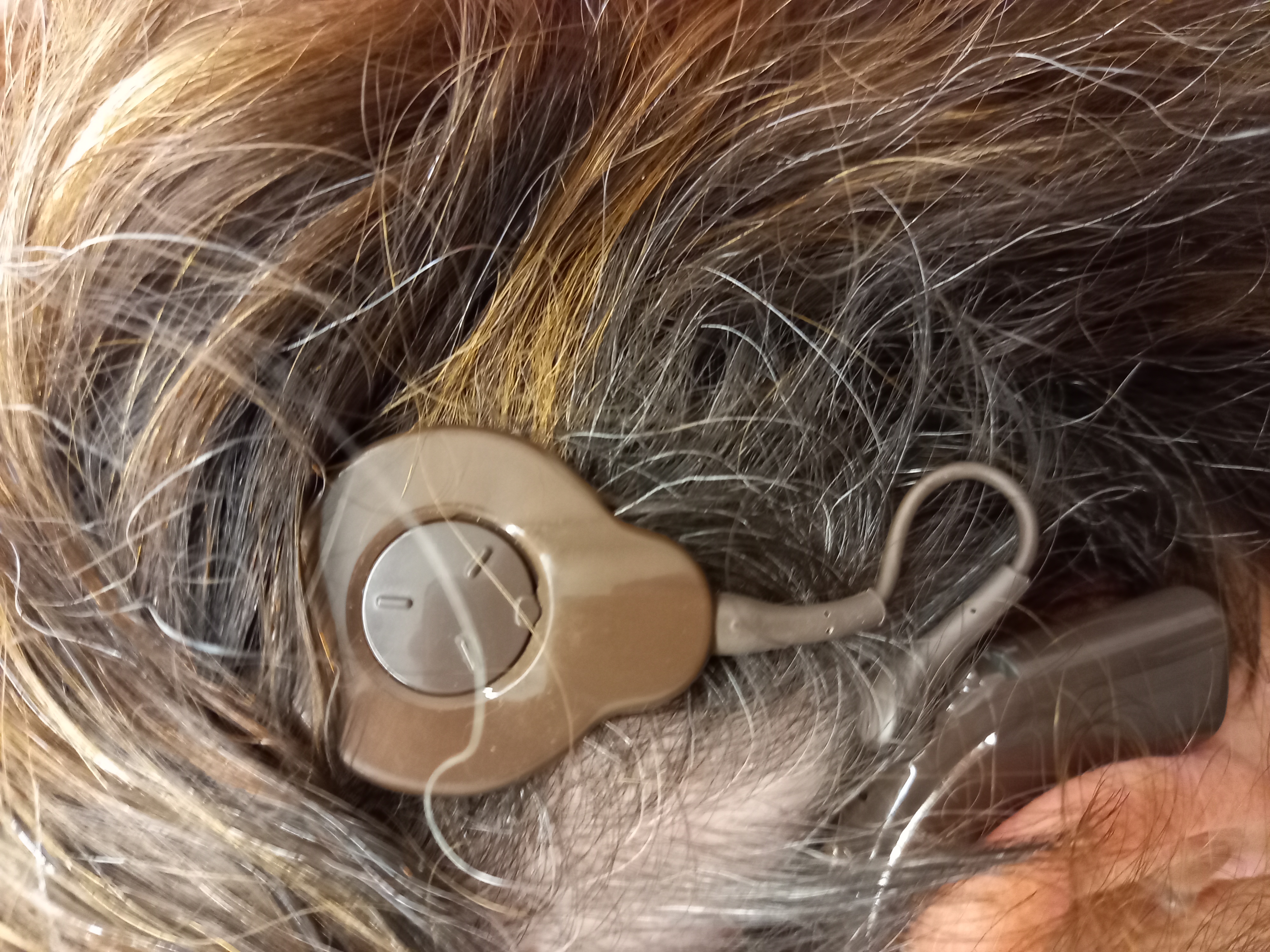 The operation took about two and a half hours. Surgeons placed a small magnet under her skin, inserted the implant into the cochlea which has an electrode attached to help transmit the sounds. Janet stayed in hospital overnight so staff could monitor her recovery, leaving the next day with protective bandages behind her ear.
Cochlear implant surgery can sometimes bring side effects, such as vertigo or even total loss of any remaining natural hearing in the implanted ear. Some people also experience lingering balance issues or unusual sensations. Janet was fortunate to avoid these complications.
“I didn’t experience vertigo at all – the only thing I noticed was a metallic taste in my mouth. It tainted the enjoyment of food a bit, but I knew it would fade over time.”
Her implant activation began the very next day – faster than some recipients, who may need more recovery time before “switch-on.” That marked the start of a 12-month “mapping” process where her brain is gradually re-trained to recognise sounds it hasn’t heard for years.
“At first, everyone sounded like Donald Duck. Over time, the clarity improves as your brain adapts.”
Learning to hear again
Janet meets regularly with her audiologist and “hearing physio,” who gives her daily listening exercises such as reading aloud to herself so her brain can start recognising her own voice again. These exercises help sharpen speech clarity, which can initially sound echoey or distorted.
Together, they also work on gradually increasing the sound level of her processor. At first, the settings are kept low so her brain isn’t overwhelmed, then the volume is adjusted over weeks and months as her tolerance and sound recognition improve.
“By the time I reached the next stage of mapping, I’d been putting the volume up myself because my brain was going, ‘Oh, I can deal with this level of sound – give me more.”
She wears her cochlear processor as much as possible each day to maximise progress.
Technology plays a big role too – and sometimes, brings surprises.
“My husband downloaded the control app and had fun switching me off at dinner one night!”
The emotional journey
Coming to terms with hearing loss took Janet about three years. At first, she hid her hearing aids, worried about how others might see her, and feared how it would affect her life and work.
“I wish I hadn’t been so afraid of it as much as I was. It took me quite a while to get my head around it.”
Over time, she embraced her situation, becoming more comfortable in knowing it’s part of who she is. Now, she’s keen to normalise hearing loss and talk about it openly so others won’t feel the same initial fear she did.
Janet believes hearing loss should be treated as seriously as vision loss. She’s concerned by the growing rates of hearing issues among young people and works to educate her daughters about safe listening habits.
“Hearing aids are like glasses – they enable us. The sooner you get tested and take action, the better your quality of life will be.”
She encourages others not to be afraid of getting tested early, to attend information workshops, and to connect with people who have lived experience. For Janet, sharing her journey is a way to break down misconceptions and motivate others to protect their hearing health.
“It can happen to anyone. If my story helps someone realise that and take steps sooner, then it’s worth telling,” Janet says.
By sharing her journey, she hopes to break down misconceptions and inspire people to take hearing loss seriously — and take action early.
Her story is a reminder that hearing loss doesn’t have to mean losing connection. With the right information, support, and technology, you can rediscover the world of sound.
Learn more about protecting and improving your hearing health.
DHHF is governed, and guided by, two professional bodies, Our Board and our Member Organisations. We are proud to have Pindrop Foundation as one of our member organisations.


No Comments
Comment below
Related Posts
Stepping in a new world: Aly and Leon's story
When playing sports helps build confidence: Riley's story
Teoy's story: How a sporting accident changed his perspective