Protecting tiny ears: Safe listening tips for early childhood centres
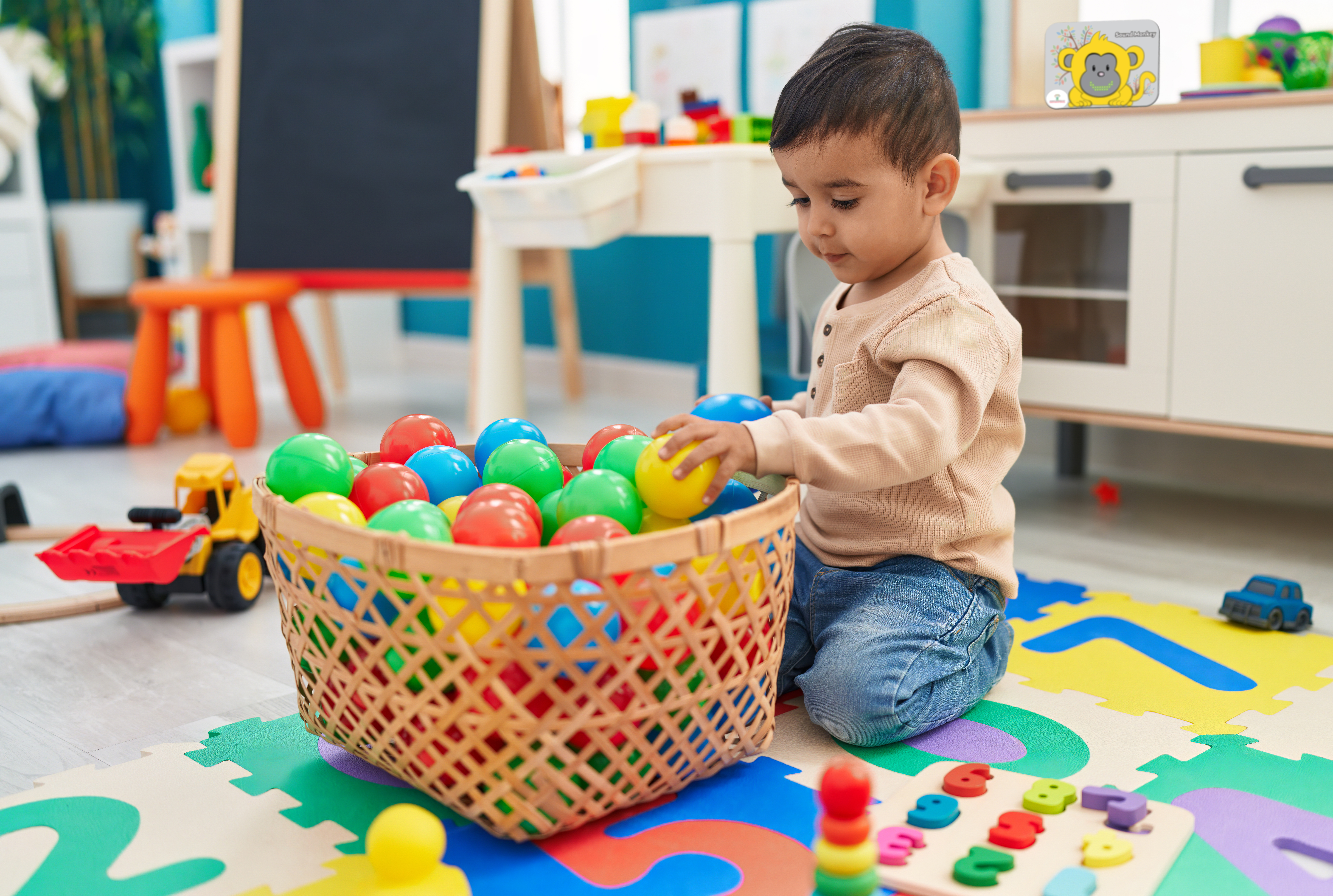
One of the most powerful ways we can help protect the hearing health of our youngest Kiwis is by introducing safe listening habits before they reach school. The preschool years are critical for development — and for learning how to care for our bodies, including our ears.
Safe listening tips for kids in early
learning environments
-
Keep the volume down: Aim to keep indoor noise levels under 75 decibels (dB). If you have to raise your voice to be heard, it’s likely too loud.
-
Teach children about noise: Talk about what “too loud” sounds like and how it can affect their ears. Encourage children to speak up if they feel it's too noisy.
-
Use soft furnishings: Carpets, curtains, and cushions absorb sound and help reduce echo and general noise levels.
-
Encourage quiet play: Story time, drawing, puzzles, or building blocks are all excellent low-noise activities.
-
Avoid noisy toys: Steer clear of toys with sharp, sudden sounds or loud electronic features.
-
Reduce outside noise: Keep windows and doors closed when traffic noise or construction is nearby.
-
Manage the “café effect”: In busy rooms, use visual cues or hand signals to get children’s attention instead of raising your voice. This reverse approach often leads to quieter, more mindful conversations.
-
Use hearing protection: When noisy activities are planned (like music time or a fire drill), offer earmuffs and talk to children about the importance of protecting their hearing.
Why this matters?
Like many teens, Luke didn’t think much of it when people joked about his bad hearing. “People around me always told me I had
-
Over one billion young people globally are at risk of hearing loss from unsafe listening.
-
Nearly 60% of hearing loss is preventable.
-
Already, 193 preschools in New Zealand have adopted Sound Monkeys to monitor classroom noise and teach safe listening.
And the feedback is powerful:
“It’s a great learning tool to visually show children how loud they are being and start discussions around the need to lower the volume level in the room.”
Help us equip more preschools with a Sound Monkey
With your help, we can reach hundreds more classrooms - and teach thousands more children the value of protecting their hearing from the start. You can even choose the region you want to support.
Together, let's make listening safe - one classroom at a time.


No Comments
Comment below
Related Posts
Why it's time to take teen hearing loss seriously
Hearing loss and dementia - what the research tells us