When inclusion becomes personal: Bronwyn's NZSL journey through sport and community
About 20 years ago, Bronwyn was volunteering as a netball coach at her daughters’ school when she was allocated a team that included a Deaf student who adored the game. Bronwyn noticed something that didn’t sit right: she had enthusiasm, but it felt like no one had ever truly been able to teach her in a way that worked for her. So Bronwyn stayed behind after practices and worked one-on-one — making sure she spoke clearly, kept eye contact, and used a strongly visual approach.
As the season progressed, she improved quickly. The team itself was already inclusive — she was their friend — but Bronwyn started to see a wider problem: as a society, we often “march on” and expect anyone who’s different to do all the adapting. That realisation stuck.
Then the player’s mum asked Bronwyn something that changed everything: the Wellington Deaf netball region needed a coach — would she consider it? Bronwyn said yes, and suddenly she was stepping into the Deaf community as a hearing person who had never been part of the Deaf community before.
Inclusion starts with us
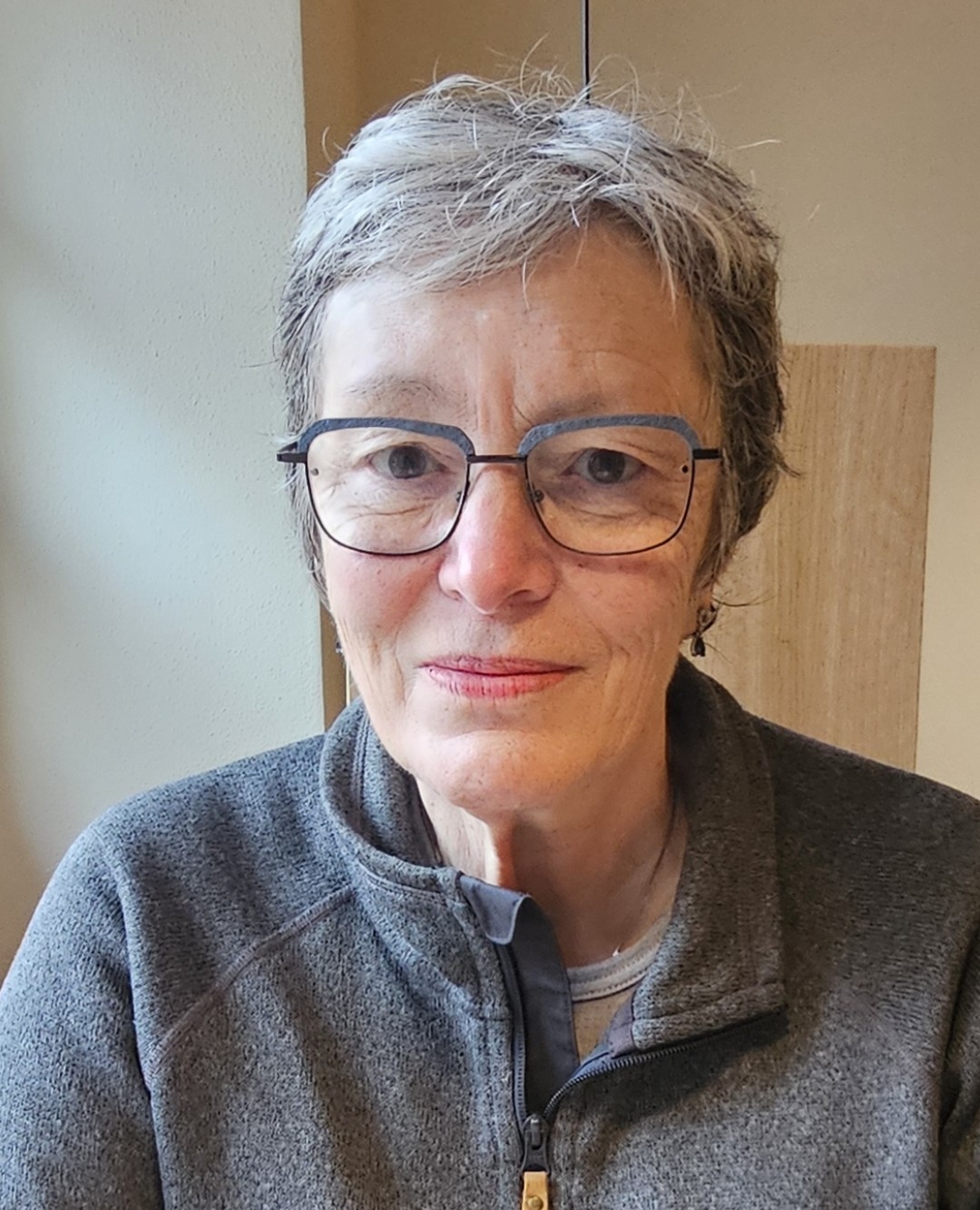 Bronwyn describes herself as a “justice warrior” who can’t stand seeing “a perfectly good human being miss out” because of something they have no control over. But what really moved her wasn’t just the unfairness — it was the people. Coaching Deaf women was, in her words, an eye-opener: “these are the loveliest women I've ever met.”
It also confronted her with something many of us don’t like admitting: she had biases she didn’t even know were there.
“It really showed me how much, in a way, subconscious prejudice I had, and I never even knew it. I thought, being a “good person” was enough.”
That’s where Bronwyn’s story becomes powerful: she didn’t get defensive. She got curious — and then she got practical.
Learning NZSL to meet people halfway
After her first season coaching with the help of an interpreter, Bronwyn decided she wanted to communicate more directly. She enrolled in NZSL courses and returned the next season determined to surprise the team by signing with them.
What stayed with her most wasn’t just that NZSL helped with coaching — it was the emotional impact of making the effort. She describes “the warmth and the gratitude” from Deaf women when a hearing person genuinely tries. It was a reminder that too often, Deaf people are expected to do the heavy lifting.
She also loved the culture of connection she experienced — how greetings were warm and expressive, how humour was constant, how community was shared. The deeper lesson Bronwyn took away was that inclusion isn’t one-way traffic. When we make space for Deaf people, everyone’s world gets bigger.
Opportunity: "disability" or "difference"
Bronwyn’s view is clear: Deafness shouldn’t automatically shrink someone’s life. She worries Deaf people are too often funnelled into limited options — not because of ability, but because access is hard, workplaces feel awkward, and society chooses convenience over inclusion.
Her framing is bold and hopeful: “Being deaf should not be a disability. It's just a difference.”
She imagines what would change if New Zealand treated NZSL as normal everyday knowledge — taught early, used casually, and seen as part of how we connect.
“If every New Zealander had an understanding of basic sign. Then there would be no difference.”
For Bronwyn, that’s the point: inclusion shouldn’t be a special initiative. It should simply be how we operate.
What sport can do better
Bronwyn is quick to say the people in sport are often inclusive. The gap is usually information. When coaching relies on constant talk, Deaf players can miss the “why” behind drills and tactics — and that loss adds up. This is exactly what our Game On: Deaf Awareness in Sports programme is designed to bridge — helping clubs build practical communication skills (including simple NZSL and visual communication tips) so Deaf and hard of hearing players don’t miss key instructions, tactics, or safety information.
When coaching the all-Deaf team, Bronwyn did exactly that: she made her coaching more visual, more hands-on, and more deliberate about checking understanding. Her approach came down to one idea: “less talk, more connection”. As she puts it: “The problem is the player is missing out on so much information.”
That mindset shift doesn’t just help Deaf players — it improves coaching for everyone. Clearer instruction. More purpose. More connection.
NZSL opens doors - sometimes literally, on a train in Japan
Bronwyn’s favourite example of NZSL’s power happened overseas. While travelling in Japan, she sensed the man sitting near her might be Deaf, signed to ask, and discovered he was. Despite not speaking Japanese, she was able to communicate using sign, and he gave her travel advice that led her and her husband to “the most beautiful walk through a forest”— a detour they never would have found otherwise.
Her takeaway is joyful and contagious: “yes, sign language… you can travel the world and the doors will open.”
A final challenge: act, don't overthink
Bronwyn doesn’t believe inclusion needs endless analysis. Her message is action-oriented: do what you can, where you are — whether that’s learning a few signs, changing how you coach, advocating for captioning, or simply asking, “What would make this easier?”
For her, inclusion isn’t about being comfortable. It’s about deciding that other people’s access matters enough to change how we behave — in schools, in workplaces, in sports clubs, and in everyday life.
Want to make your club more inclusive? Explore Game On: Deaf Awareness in Sports
No Comments
Comment below
Related Posts
Stepping in a new world: Aly and Leon's story
When playing sports helps build confidence: Riley's story
Teoy's story: How a sporting accident changed his perspective