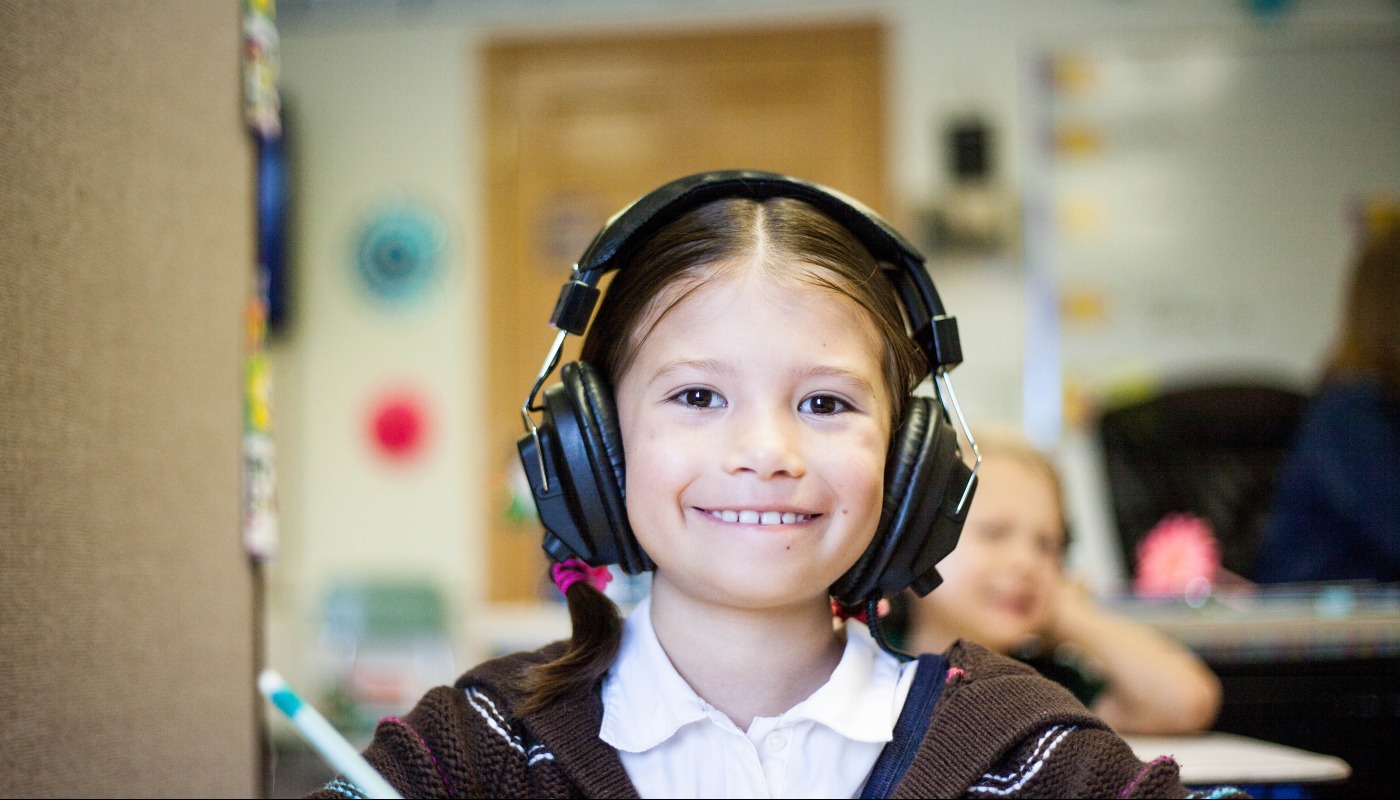
Keep Their Ears Safe for Life
Healthy hearing supports learning, confidence, and connection — yet today’s world is louder than ever. Children and teens are exposed to unsafe sound levels daily. The good news? Simple listening habits can protect hearing for life.
Globally, 1.1 billion young people could reduce their risk of hearing loss through safer listening behaviours. Together, we can change that trend.
Confirmation Content

The Challenge
Music, gaming, concerts, streaming, transport, and busy classrooms all contribute to daily sound exposure. In New Zealand, one in four young people aged 13–14 report tinnitus after noise exposure — an early warning sign that their ears need a break.
Why It Matters
Hearing damage often develops gradually, without pain and cannot regenerate. Without protective habits, unsafe listening may lead to reduced concentration, social withdrawal or lifelong challenges. Youth hearing loss has increased by 30% globally since the 1990s. Yet up to 60% of noise-related hearing loss can be prevented.

Safe Listening Made Simple
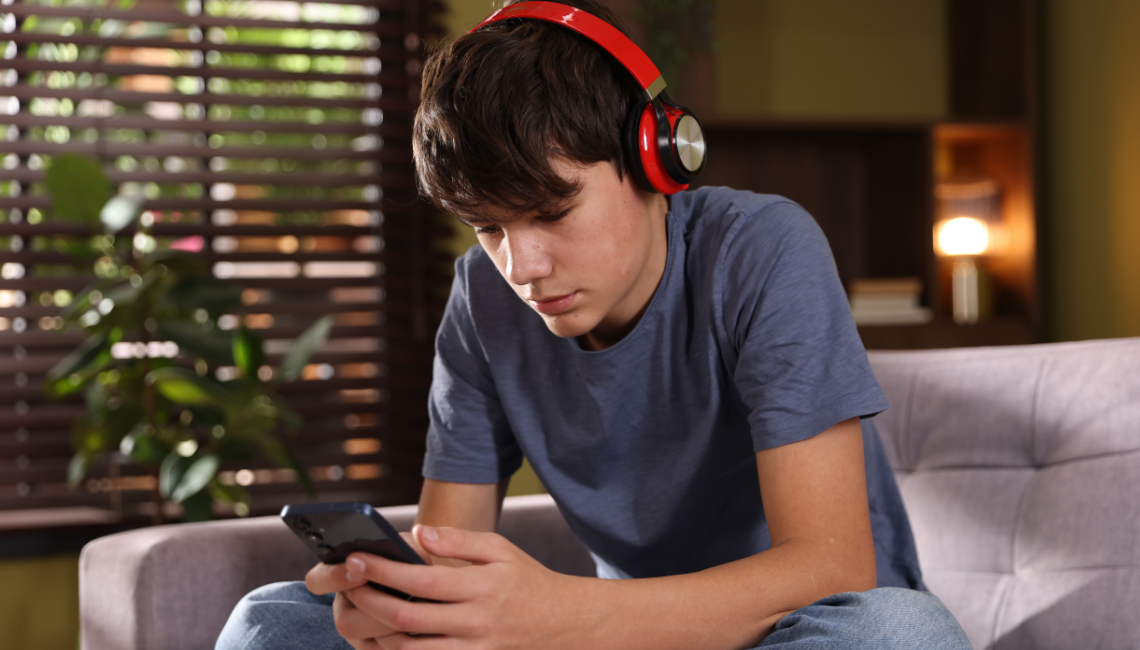
Small, consistent habits make the difference. Safe listening means keeping volume at safer levels, taking regular listening breaks, choosing quieter environments where possible & modelling healthy listening behaviours
Gaming and Esports: A Growing Focus

A Preventable Future
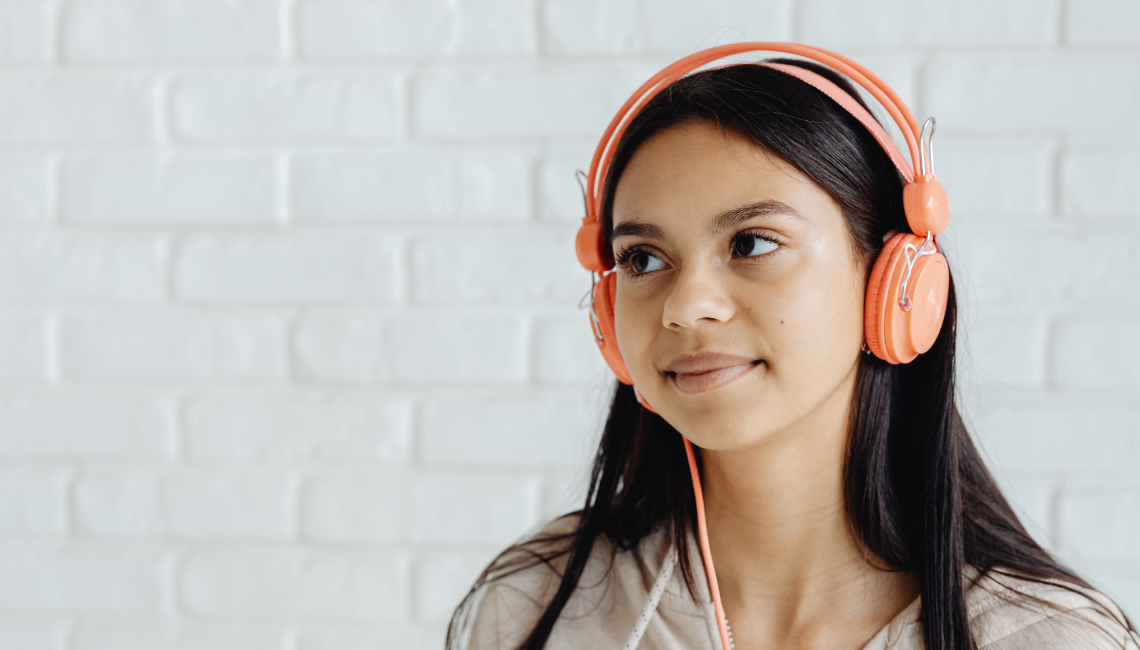
Safe listening habits could protect 1.1 billion young people. Nearly half are exposed to unsafe sound levels, yet up to 60% of hearing loss is preventable. Small daily choices make a lasting difference.
How Hearing Damage Happens
Confirmation Content
What Happens Inside the Ear?
Imagine inner ear hair cells like grass. Safe sound keeps them upright; loud noise flattens them. Some recover with rest, but repeated exposure causes permanent damage. Protect hearing by managing volume and duration.

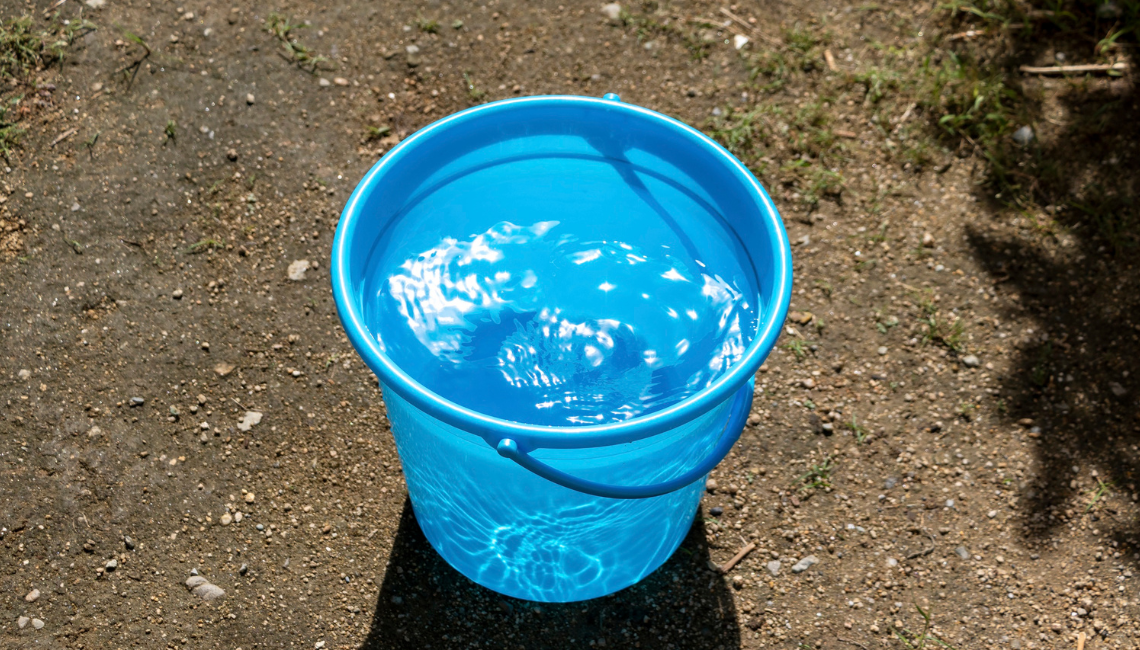
Understanding Your Weekly Sound Allowance
Think of your ears like a glass that fills over time. Low volume fills it slowly, high volume quickly. Once it overflows, you’ve exceeded safe limits. Managing both volume and duration helps protect your hearing long term.
Practical Tips for Everyday Listening
Top 8 tips for protecting hearing at home, school and on the go.
Confirmation Content

Keep the volume below 60%.
Especially for headphones, earbuds, or gaming headsets.
Confirmation Content

Follow the 60/60 rule.
Listen for no more than 60 minutes at 60% volume before taking a break.
Confirmation Content

Use noise-cancelling headphones.
They reduce the need to turn up the volume in busy places.
Confirmation Content

Take listening breaks every hour.
Give ears time to recover, especially during gaming or study sessions.
Confirmation Content
Stand back from speakers
When at concerts or events. Every extra metre makes a difference.
Confirmation Content

Limit exposure to noisy toys and tools.
Choose quieter options where possible.
Confirmation Content
Teach children to notice early signs.
Ringing, muffled hearing, or “full” ears mean it’s time for a rest.
Confirmation Content

Model safe listening yourself.
Young people copy what they see more than what they’re told.
Confirmation Content
Confirmation Content
Explore Related Topics
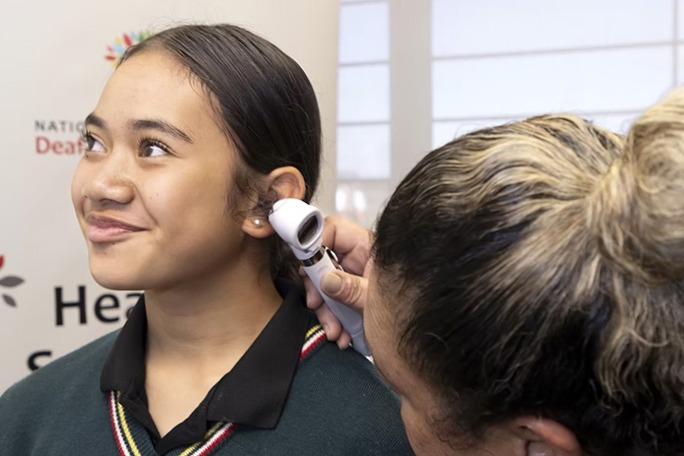
School Hearing Screening
Helping identify hearing concerns early so children can stay connected, confident, and ready to learn.

Sound Monkey
A playful, age-appropriate programme that helps children understand sound, listening, and how to care for their hearing.

Youth Advisory Group
“We want students to understand safe listening before it becomes a problem — not after.”
— Youth Advisory Group member
Confirmation Content